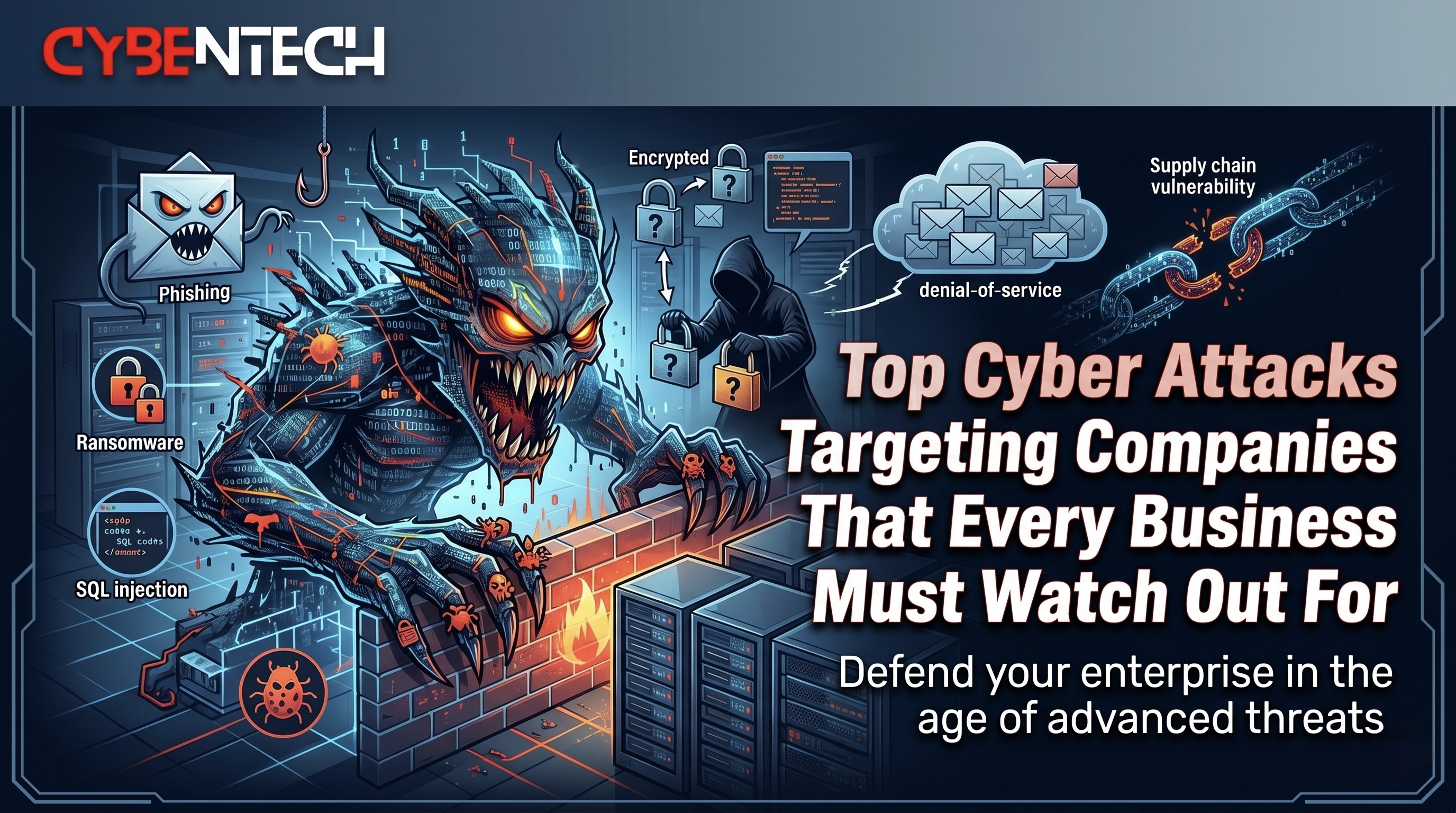
Top Cyber Attacks Targeting Companies That Every Business Must Watch Out For
Cyber attacks against companies are rising every year. This article explains...
Read More
In today’s digital landscape, cybercriminals are constantly looking for ways to infiltrate company systems. While organizations invest heavily in firewalls, antivirus software, and security infrastructure, attackers often target the weakest link in cybersecurity: human behavior.
One of the most common attack methods used by hackers is phishing.
Phishing attacks typically involve fraudulent emails that appear legitimate and attempt to trick employees into revealing sensitive information such as login credentials, financial data, or company secrets.
Because phishing attacks rely on human error, the most effective defense is employee awareness and training.
This is where Phishing Simulation becomes an essential cybersecurity strategy.
In today’s digital landscape, cybercriminals are constantly looking for ways to infiltrate company systems. While organizations invest heavily in firewalls, antivirus software, and security infrastructure, attackers often target the weakest link in cybersecurity: human behavior.
One of the most common attack methods used by hackers is phishing.
Phishing attacks typically involve fraudulent emails that appear legitimate and attempt to trick employees into revealing sensitive information such as login credentials, financial data, or company secrets.
Because phishing attacks rely on human error, the most effective defense is employee awareness and training.
This is where Phishing Simulation becomes an essential cybersecurity strategy.
Phishing remains one of the most successful cyber attack techniques because it targets people rather than technology.
Cybercriminals often use phishing emails to:
steal login credentials
gain unauthorized system access
install malware or ransomware
conduct financial fraud
compromise company networks
Even a single employee clicking on a malicious link can potentially give attackers access to sensitive systems.
This makes phishing a major cybersecurity risk for businesses of all sizes.
Implementing phishing simulations provides several important benefits for organizations.
Phishing simulations help employees recognize suspicious email patterns such as:
unexpected attachments
urgent financial requests
suspicious login links
unknown senders
As employees become more aware of these warning signs, they are less likely to fall victim to real phishing attacks.
Phishing simulation campaigns allow organizations to measure how employees respond to phishing emails.
Companies can analyze data such as:
how many employees clicked suspicious links
who reported phishing attempts
which departments are most vulnerable
This data helps security teams identify where additional training is needed.
Cybersecurity is not only a technical issue but also a cultural responsibility within organizations.
Regular phishing simulations encourage employees to remain vigilant and proactive in protecting company systems.
This creates a stronger security culture across the organization.
Many data breaches start with phishing emails.
By training employees to detect phishing attempts early, companies can significantly reduce the risk of:
credential theft
ransomware infections
unauthorized access to internal systems
Prevention through awareness is far more effective than responding to attacks after they occur.
A typical phishing simulation program includes several stages.
Security teams design realistic phishing scenarios based on common attack techniques.
These may include:
fake login alerts
suspicious invoices
password reset requests
delivery notifications
Simulated phishing emails are sent to employees to test their responses.
The emails are designed to look authentic while still being safe and controlled.
Security teams track employee interactions with the simulated emails, including:
email opens
link clicks
attachment downloads
phishing reports
After the simulation, organizations provide targeted training sessions to help employees improve their ability to detect phishing attacks.
Employees learn how to identify suspicious emails and respond appropriately.
Employees should be aware of common phishing indicators such as:
unfamiliar sender addresses
urgent requests for sensitive information
suspicious links or attachments
unusual grammar or formatting
requests for password or financial data
Recognizing these warning signs helps employees avoid becoming victims of phishing attacks.
At Cybentech, we help organizations strengthen their cybersecurity defenses through professional security services, including: Penetration Testing
Our phishing simulation services help companies identify human security risks and improve employee awareness, reducing the likelihood of successful cyber attacks.
Phishing attacks remain one of the most dangerous threats facing modern organizations. Since these attacks often exploit human behavior, companies must invest in employee training as part of their cybersecurity strategy.
Phishing simulation is an effective method to educate employees, test organizational resilience, and reduce the risk of cyber incidents.
By combining technology, training, and security awareness, companies can significantly strengthen their defenses against phishing attacks.
Cyber attacks against companies are rising every year. This article explains...
Read More
Discover the essential information security standards every modern organization...
Read More
Modern companies hold valuable data, financial assets, and critical...
Read More