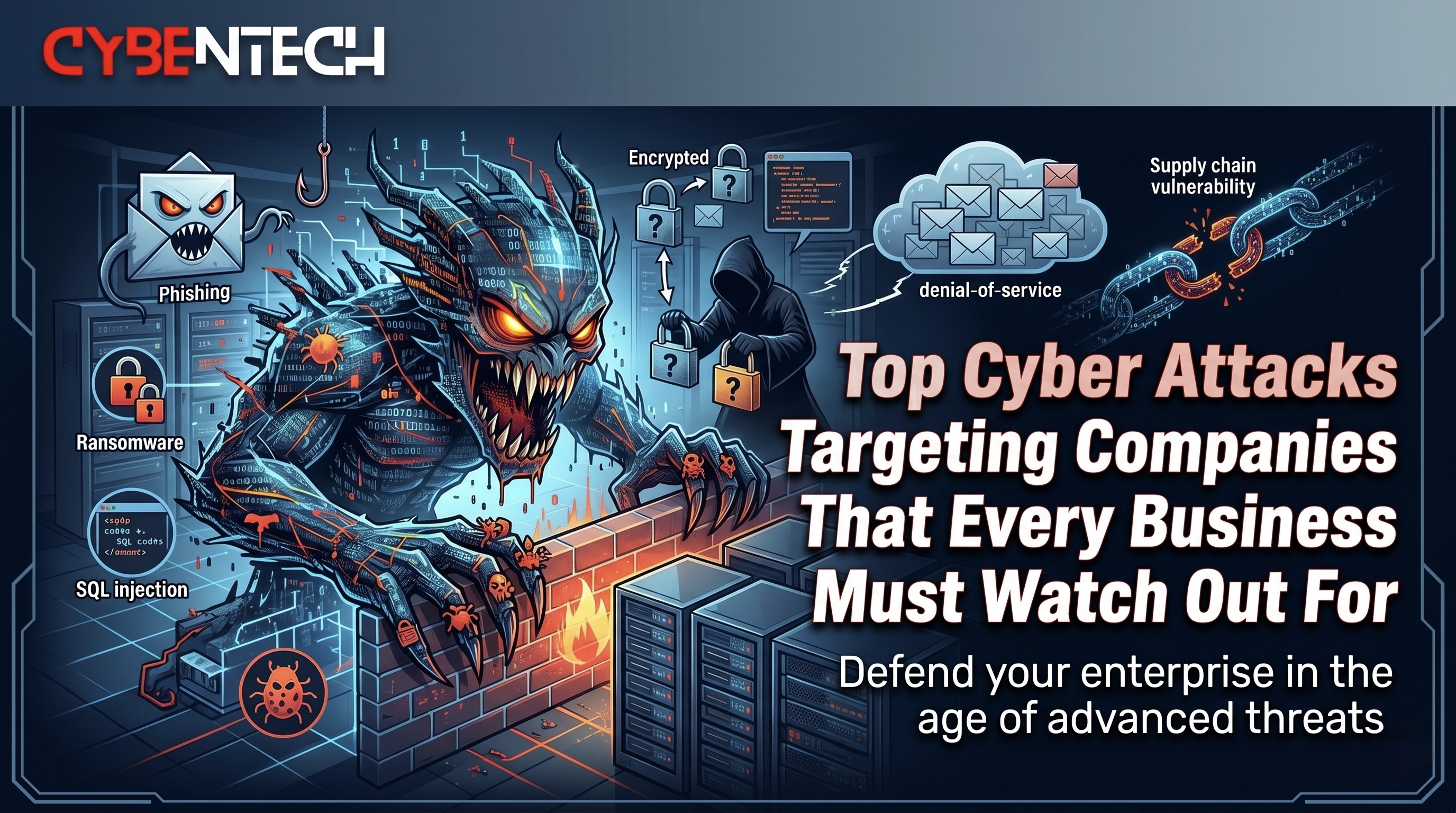
Top Cyber Attacks Targeting Companies That Every Business Must Watch Out For
Cyber attacks against companies are rising every year. This article explains...
Read More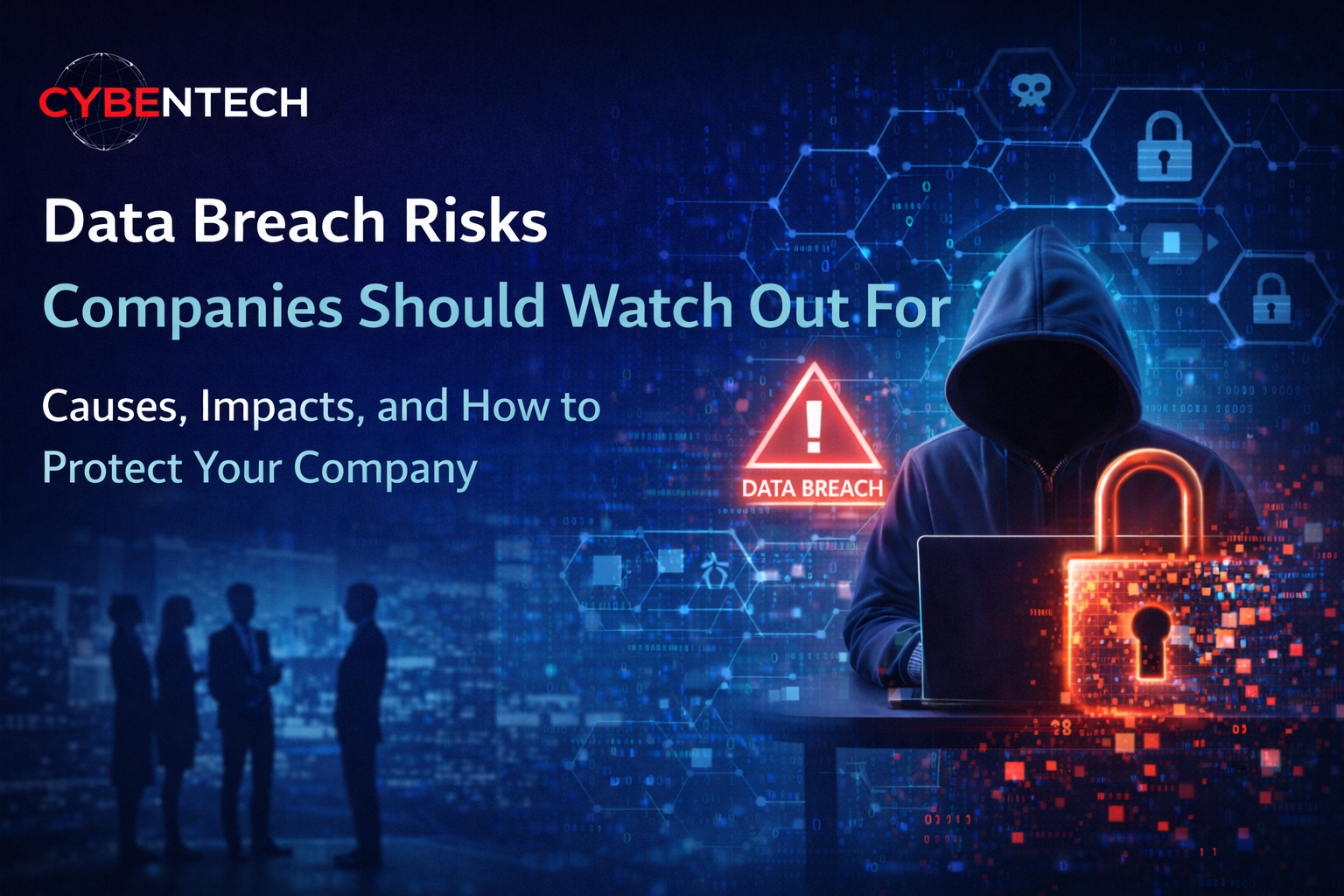
In today's digital era, data has become one of the most valuable assets for any organization. Companies store large amounts of sensitive information, including customer data, financial records, internal documents, and strategic business information.
While digital transformation improves efficiency and productivity, it also increases exposure to cyber threats. One of the most serious threats businesses face today is a data breach.
A data breach occurs when sensitive or confidential information is accessed, stolen, or exposed by unauthorized parties.
If not properly managed, a data breach can lead to significant financial losses, legal consequences, and long-term damage to a company's reputation.
Understanding the risks of data breaches is essential for companies that want to protect their systems and data.
A data breach refers to an incident where confidential or protected information is accessed or disclosed without authorization.
This information may include:
customer personal data
financial records
employee information
intellectual property
login credentials and system access data
Cybercriminals often target this information because it can be used for identity theft, financial fraud, corporate espionage, or ransomware attacks.
Data breaches can occur due to both external cyber attacks and internal security weaknesses.
Several factors can lead to data breaches within an organization.
One of the most common causes of data breaches is cyber attacks carried out by hackers.
Attackers exploit vulnerabilities in company systems to gain unauthorized access to sensitive data.
Common attack methods include:
phishing attacks
malware infections
ransomware attacks
SQL injection
credential theft
Once attackers gain access to a system, they may steal, modify, or expose sensitive data.
Many companies experience data breaches because their security systems are not properly configured or updated.
Common security weaknesses include:
outdated software
missing security patches
misconfigured servers
weak authentication controls
open network ports
Without strong security controls, company systems become easy targets for cyber attackers.
Human error remains one of the leading causes of data breaches.
Examples include:
sending sensitive information to the wrong recipient
clicking malicious links in phishing emails
using weak passwords
storing company data on unsecured devices
Even a small mistake by an employee can lead to a major security incident.
When access permissions are not properly managed, employees or third parties may gain access to data they should not see.
Without proper access control, sensitive company data can be easily copied, leaked, or misused.
Implementing role-based access control is essential to minimize this risk.
Data breaches can have severe consequences for companies.
Organizations may suffer financial losses due to system recovery costs, legal penalties, regulatory fines, and compensation claims.
A data breach can significantly damage a company's reputation and erode customer trust.
Customers may hesitate to continue doing business with companies that fail to protect their personal information.
Cyber incidents may disrupt normal business operations, especially if systems are taken offline during recovery efforts.
Many countries have strict data protection regulations. Companies that fail to protect sensitive information may face legal action or regulatory penalties.
While cyber threats cannot be completely eliminated, companies can significantly reduce the risk of data breaches by implementing strong security practices.
Security assessments help identify vulnerabilities in systems, networks, and applications before attackers exploit them.
Organizations should perform:
Vulnerability Assessments
Penetration Testing
Security audits
These assessments help companies detect and fix security weaknesses early.
Employees play a critical role in maintaining cybersecurity.
Organizations should provide regular training on:
recognizing phishing emails
safe password practices
handling sensitive information securely
Cybersecurity awareness programs help reduce the risk of human error.
Companies should ensure that employees only have access to the systems and data required for their roles.
Using multi-factor authentication (MFA) and role-based access controls significantly improves system security.
Encryption protects sensitive data even if attackers gain access to a system.
Organizations should encrypt:
stored data
communication channels
sensitive documents
Encryption adds an additional layer of security against data theft.
At Cybentech, we help organizations strengthen their cybersecurity defenses through professional security services such as: Penetration Testing
Our cybersecurity experts help companies identify vulnerabilities and implement security strategies to prevent data breaches.
Data breaches represent one of the most significant cybersecurity threats facing modern businesses.
Understanding the causes, risks, and potential impacts of data breaches allows companies to take proactive measures to protect their systems and sensitive information.
By implementing strong security practices, conducting regular security testing, and improving employee awareness, organizations can significantly reduce their exposure to cyber threats.
Protecting company data is no longer optional — it is a critical requirement for every modern business.
Cyber attacks against companies are rising every year. This article explains...
Read More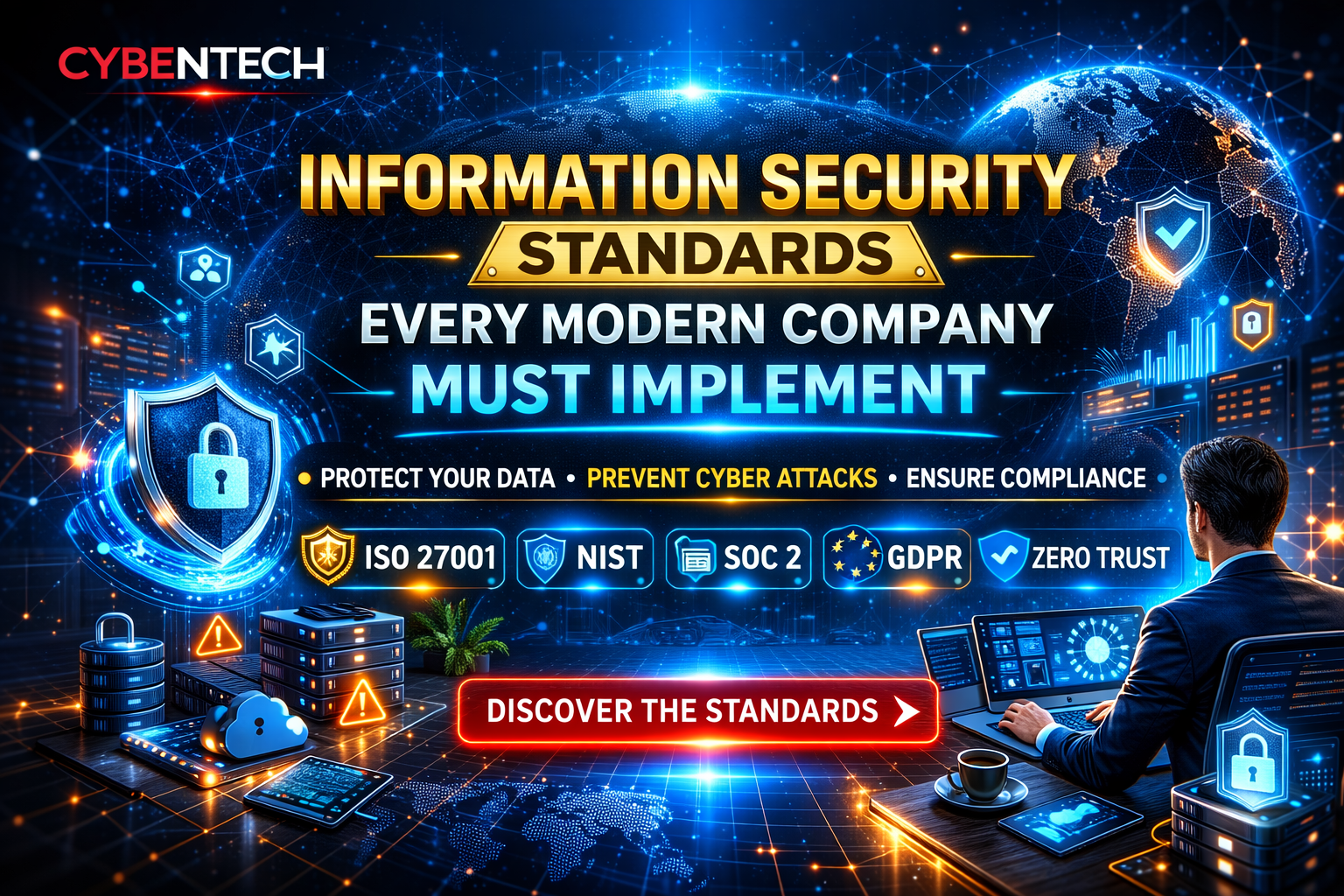
Discover the essential information security standards every modern organization...
Read More
Modern companies hold valuable data, financial assets, and critical...
Read More